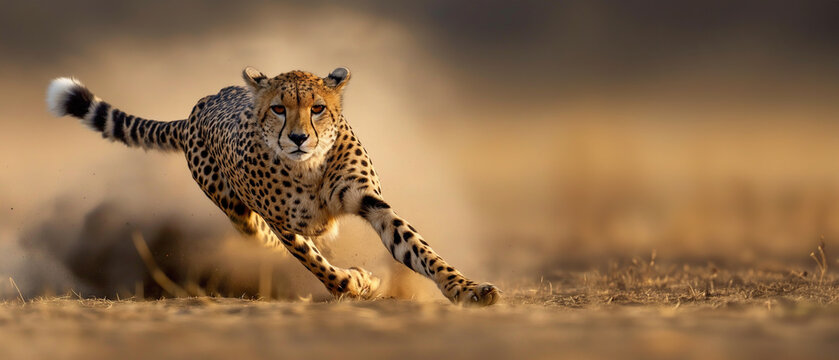
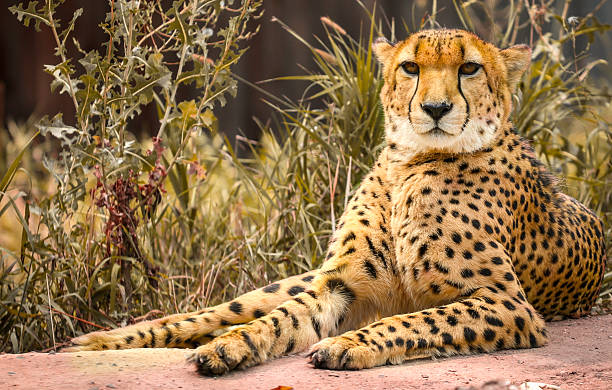
Cheetahs are some of the most fascinating animals on Earth, mainly because of how fast they can run. They’re the fastest land animals, reaching speeds up to 70 miles per hour! This website is all about cheetahs and fun informattion about where they live, what they do, and how they survive in the wild. You'll also learn about their unique features, such as their small heads, long legs, and tear lines under their eyes. Cheetahs aren’t just cool to watch, they also help keep nature balanced by hunting animals like gazelles. In this site, you'll find out how they fit into their environment, how they hunt, and what makes them different from other big cats.
As you explore this site, you’ll get to know more about cheetah habitats, what kinds of animals they eat, and how they live day to day. You’ll see how cheetahs are different from lions, tigers, and leopards. One important thing you’ll learn is that cheetah numbers are going down fast. A lot of their problems come from losing their homes, getting hunted, or having their cubs taken from the wild. But there are people and groups working hard to protect them. From wildlife reserves to education, many efforts are being made to save these animals. This site will help you learn a lot about cheetahs.
Cheetah Habitat
Where Do Cheetahs Live?
Cheetahs mostly live in the grasslands and savannas of Africa. These open areas are important for thier survial as they give them the space they need to run fast and chase after prey like gazelles and impalas. Countries like Namibia, Kenya, and South Africa have the largest populations of wild cheetahs because their environments are perfect for hunting and hiding. Cheetahs rely on tall grass and bushes to stay hidden before they sprint, so wide open areas with some cover are ideal. Learning about where cheetahs live helps us understand what they need to survive and why it’s important to protect those areas.
One of the biggest challenges cheetahs face is losing their habitat. As more people build houses, farms, and roads, the land cheetahs use gets smaller. When their territory shrinks, they can’t hunt as easily, and there’s more competition with other animals. This is why protecting their natural habitat is super important. National parks and wildlife reserves are great because they give cheetahs a safe place to live and hunt without as many dangers. Organizations around the world are working to save these areas so cheetahs don’t lose the land they depend on. If we want to keep cheetahs around for future generations, we have to make sure they have enough space to live wild and free.
Hunting and Diet
How Cheetahs Hunt
Cheetahs are built for speed, and they use it to hunt their food. They can go from 0 to 60 miles per hour in just a few seconds, which is faster than most cars! First, they sneak up close to their prey, usually by staying low and moving slowly through tall grass. Then, when they’re close enough, they explode into a high speed chase. They have long legs, a flexible spine, and claws that don’t fully retract, which gives them better grip. Cheetahs usually hunt during the day when other big predators like lions and hyenas aren’t as active. This helps them avoid losing their hard earned meals. Their hunting style is quick, focused, and relies more on speed than strength or teamwork.
When it comes to food, cheetahs mostly eat small to medium sized animals like gazelles, impalas, hares, and birds. They don’t go after large animals like lions do. After a cheetah catches its prey, it will often drag it to a quiet place to eat. This is because other animals like hyenas or vultures might try to steal the meal. Cheetahs don’t have the strength to fight them off, especially after using so much energy during a chase. That’s why they usually eat fast and stay alert. Once they finish running, they need time to rest and catch their breath. This makes them vulnerable for a while. Their diet and hunting style are different from other big cats, which is one reason cheetahs are so unique and interesting to learn about.
Cheetahs are unique to other big cats since they cannot roar, instead they purr which can be heard in the following audio clip:
Conservation Efforts
Saving the Cheetah
Cheetah populations are getting smaller every year, and it's a serious problem. Right now, there are fewer than 7,000 cheetahs left in the wild. One of the biggest reasons they’re disappearing is because they’re losing their homes. As more land is used for farming or building, cheetahs have less space to live and hunt. Sadly, cheetah cubs are also stolen from the wild and sold illegally as exotic pets. These problems are causing their numbers to drop fast. If nothing is done, we could lose cheetahs forever in the near future. It’s important to understand what’s happening and how we can help protect these amazing animals before it’s too late.
Even though cheetahs are in danger, there’s still hope. Many organizations are working hard to protect them. Groups like the Cheetah Conservation Fund and National Geographic are doing amazing things. They help create protected areas where cheetahs can live safely, work with local people to prevent conflict, and teach others why cheetahs are worth saving. You don’t have to be a scientist to make a difference either. You can help by spreading awareness, donating to trusted wildlife programs, or symbolically adopting a cheetah to support their care and protection. Even posting about it on social media can bring more attention to the cause. Every small action matters.
This short documentary highlights the importance of protecting cheetahs in the wild.
This is bold and this is strong. This is italic and this is emphasized.
This is superscript text and this is subscript text.
This is underlined and this is code: for (;;) { ... }. Finally, this is a link.
Heading Level 2
Heading Level 3
Heading Level 4
Heading Level 5
Heading Level 6
Blockquote
Fringilla nisl. Donec accumsan interdum nisi, quis tincidunt felis sagittis eget tempus euismod. Vestibulum ante ipsum primis in faucibus vestibulum. Blandit adipiscing eu felis iaculis volutpat ac adipiscing accumsan faucibus. Vestibulum ante ipsum primis in faucibus lorem ipsum dolor sit amet nullam adipiscing eu felis.
Preformatted
i = 0;

while (!deck.isInOrder()) {
    print 'Iteration ' + i;
    deck.shuffle();
    i++;
}

print 'It took ' + i + ' iterations to sort the deck.';